
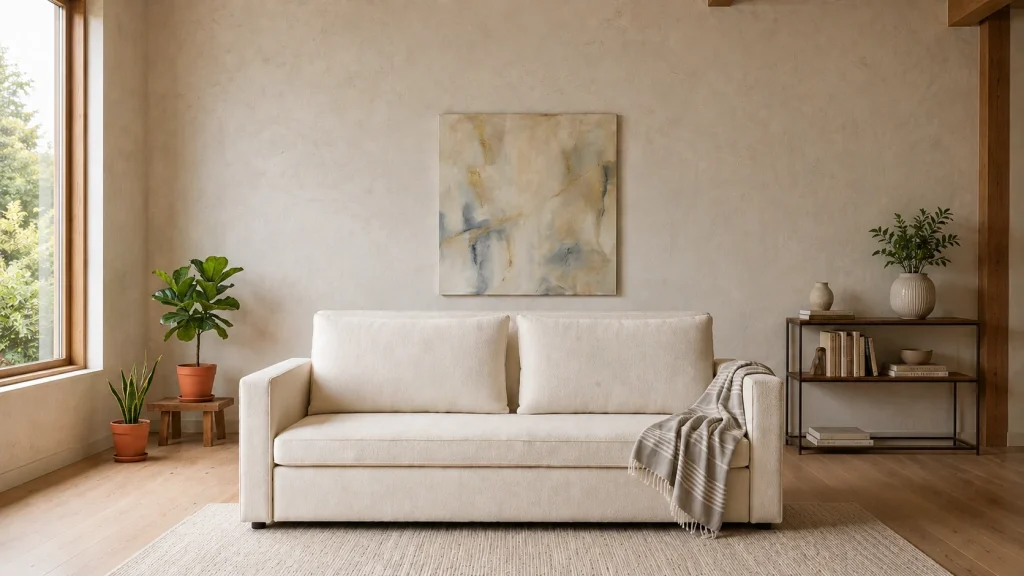
A sofa bed can look brilliant in a listing photo and still feel awful at 2 am. If they want sofa beds that actually sleep well, they need to check comfort, support, size, and how the mechanism behaves in the real world, not just in a showroom.
For eco-minded households, a good sleeper sofa can also reduce the need for a dedicated guest room, which can mean a smaller home footprint without giving up hosting. That kind of practical, low-waste choice fits neatly with Pleasant Homes’ focus on sustainable living in Australia.
What mattress type will help them find sofa beds that actually sleep well?
The mattress type is the single biggest factor in whether sofa beds that actually sleep well are even possible. They should prioritise a mattress that keeps the spine level and avoids pressure points.
Innerspring options can feel bouncy but may create bar pressure where the frame sits underneath. Memory foam can reduce that pressure, while latex can be supportive and more breathable. If the listing does not name the mattress type and thickness, they should treat it as a red flag.
How thick should the mattress be for sofa beds that actually sleep well?
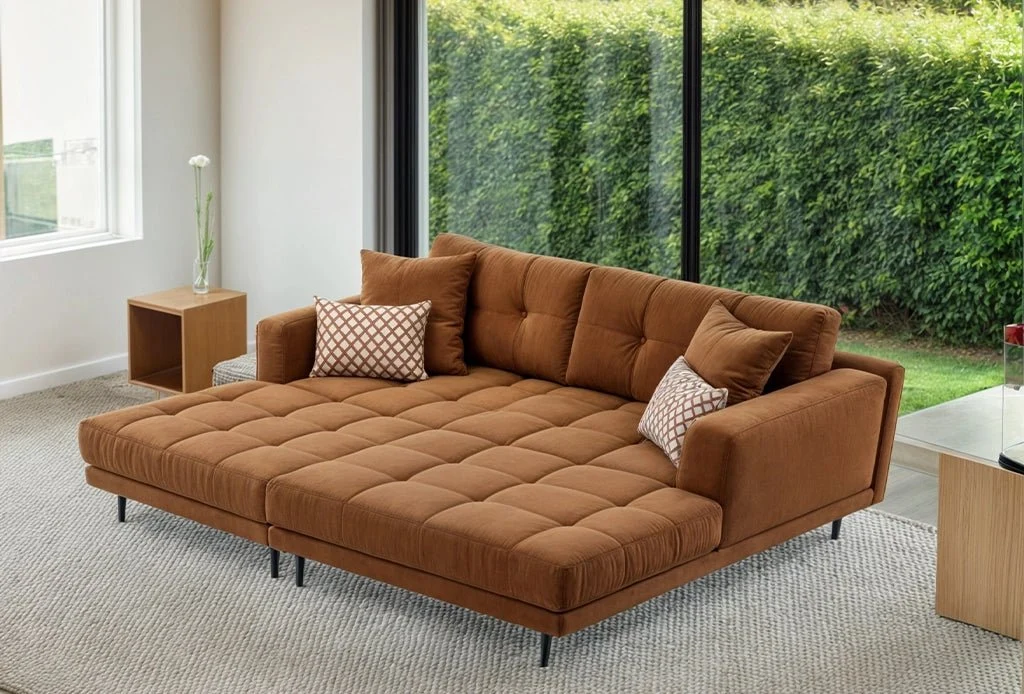
In most cases, thicker is better, up to the point the mechanism can still fold correctly. For sofa beds that actually sleep well, they should look for a mattress around 10 to 13 cm as a practical minimum for adults.
Anything thinner often means they will feel the support bars or hinge points. If they are buying online, they should confirm both thickness and material, and check whether a mattress topper is required to make it tolerable.
What frame and base design prevents that “bar in the back” feeling?
A supportive base is what stops sleepers feeling the metal frame. Sofa beds that actually sleep well usually use a platform style base, a sprung slat system, or a well-designed mesh that distributes weight evenly.
They should avoid designs where the support bars sit directly under the hips and lower back. If they can test in person, they should lie on their back and side for at least five minutes, then move around. If they can feel ridges, it will be worse overnight.
Will the mechanism be easy to open, close, and live with every week?
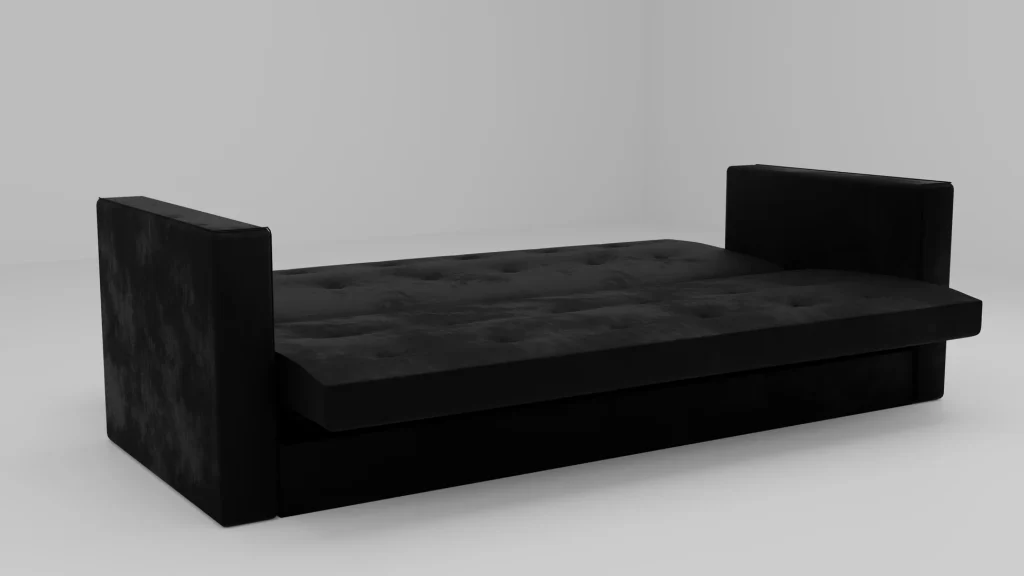
A sofa bed that is annoying to operate rarely gets used, even if it is comfortable. People seeking sofa beds that actually sleep well should also look for a smooth, stable mechanism that does not snag, slam, or require two people.
They should open it fully, close it fully, and listen for grinding or flexing. They should also check whether bedding can stay on when folded. If it cannot, the extra effort often leads to compromises like thinner duvets or fewer layers.
Is the size genuinely big enough for how they host?
Many “queen” sofa beds are not truly queen sized once unfolded, and some have tapered corners or shorter lengths. To get sofa beds that actually sleep well, they should measure the usable sleep surface, not the sofa width.
They should confirm length if tall guests will use it, ideally close to 200 cm. They should also measure the room clearance for the open bed, including walkways, doors, and side tables, so guests are not boxed in.
What upholstery and cushioning choices keep it comfortable in both modes?
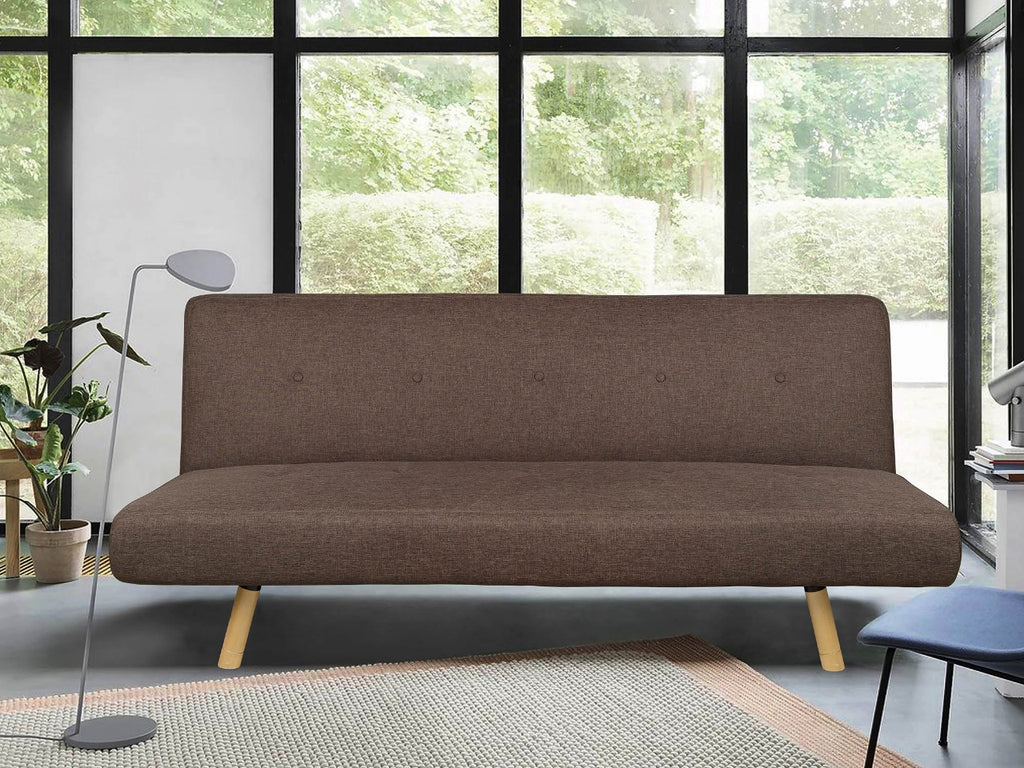
The best sleeper sofas feel good as a couch and as a bed, without one mode ruining the other. Sofa beds that actually sleep well tend to have seat cushions that do not sag quickly and upholstery that stays breathable.
They should look for higher density foam in the seat base, and fabrics that do not trap heat. If they are sustainability focused, they can ask about low VOC materials, responsibly sourced timber, and durable fabrics that reduce replacement cycles.
How can they check durability and warranties before buying?
Comfort on day one is not the same as comfort after a year. For sofa beds that actually sleep well long term, they should check the warranty terms on the frame, mechanism, and mattress separately.
They should read reviews that mention at least six months of use, focusing on squeaks, sagging, and mechanism failures. A strong sign of durability is a clear weight rating and a warranty that covers the moving parts, not just the upholstery.
What does this have to do with sustainable living and Pleasant Homes?
Choosing sofa beds that actually sleep well can support a more efficient home layout, which can reduce the need for extra rooms, extra furniture, and extra energy use. That practical approach matches the eco-conscious mindset Pleasant Homes promotes through their work as buyers’ agents in Australia.
Pleasant Homes guides clients towards properties that reflect green living principles, sustainable design, and a lower environmental footprint while still improving quality of life. Their clients often want homes that host family and friends without oversizing the property, and a genuinely comfortable sofa bed can be part of that plan.
John Oliver, a happy client, rated Pleasant Homes 5 out of 5 and said their buyers’ agents made the transition to sustainable living easy and enjoyable, finding an eco-friendly home that aligned with their values and delivering personalised service with strong attention to detail. For households building a greener lifestyle, it is the same idea: choose fewer items, choose better ones, and make sure they actually work.
What quick checklist should they use before they buy?
If they want sofa beds that actually sleep well, they should confirm the mattress type and thickness, test for bar pressure, and check the base support system. They should measure the real sleep surface and room clearance, and make sure the mechanism is easy enough to use regularly.
Finally, they should check durability signs like weight ratings, long-term reviews, and a warranty that covers the mechanism. If all of those boxes are ticked, they are far more likely to end up with sofa beds that actually sleep well, not just sofa beds that look good in the lounge.
FAQs (Frequently Asked Questions)
What mattress type ensures sofa beds that actually sleep well?
The mattress type is crucial for sofa beds that actually sleep well. Prioritise mattresses that keep the spine level and avoid pressure points. Memory foam reduces pressure, latex offers support and breathability, while innerspring options may cause bar pressure. Always check the mattress type and thickness before buying.
How thick should the mattress be for comfortable sofa beds?
For sofa beds that actually sleep well, a mattress thickness of around 10 to 13 cm is recommended as a practical minimum for adults. Thinner mattresses often lead to discomfort due to feeling support bars or hinge points. Confirm thickness and material when purchasing, especially online.
Which frame and base designs prevent discomfort from support bars in sofa beds?
Supportive bases like platform style bases, sprung slat systems, or well-designed mesh distribute weight evenly and prevent the ‘bar in the back’ feeling. Avoid designs where support bars sit directly under hips or lower back. Testing in person by lying on the bed can help identify any ridges causing discomfort.
What should I consider about the mechanism of a sofa bed for ease of use?
Look for a smooth, stable mechanism that opens and closes easily without snagging or slamming. It should ideally be operable by one person and allow bedding to stay on when folded to avoid extra effort. Test opening and closing fully and listen for any grinding or flexing noises.
How do I ensure the size of a sofa bed is suitable for hosting guests comfortably?
Measure the usable sleep surface rather than just sofa width, confirming length close to 200 cm for taller guests. Also measure room clearance including walkways, doors, and side tables to ensure guests have enough space when the bed is unfolded.
How does choosing a good sleeper sofa align with sustainable living principles?
A comfortable sleeper sofa can reduce the need for dedicated guest rooms, leading to smaller home footprints and less furniture, which supports eco-conscious living. This practical choice aligns with sustainable design principles promoted by Pleasant Homes in Australia, helping households host guests without oversizing their property.