
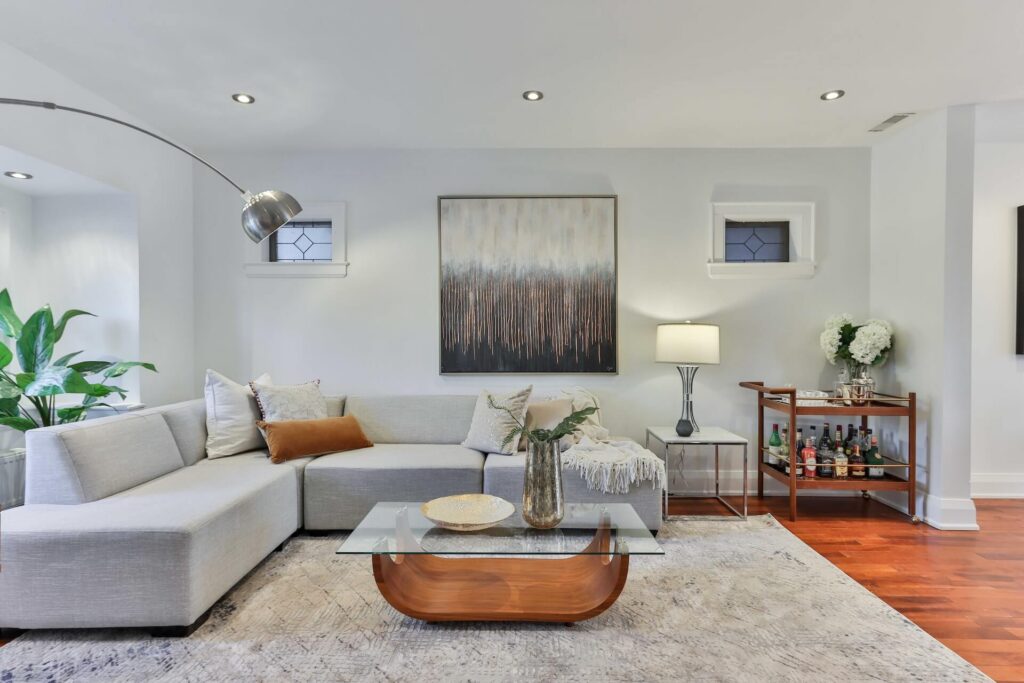
What do they usually miss when measuring for a corner sofa?
They often measure the wall, not the real usable footprint. The key is to measure the sofa’s full depth, including the chaise, and then map walking paths and door swings.
A simple tape measure helps, but a masking tape outline on the floor is better. It shows whether the corner blocks access to a balcony door, hallway, or open-plan dining zone common in Australian homes.
How do they choose the correct left-hand or right-hand facing chaise?
They commonly guess based on display room setups. The correct orientation is based on how they enter the room and which direction they want the longer section to run.
In Australia, many living areas open to an alfresco or patio, so choosing corner sofas in Australia with the right chaise orientation can help protect that flow. If the chaise points toward the main walkway, it can create daily bottlenecks.
Are they checking doorway, stair, and lift access before buying?
Often they only check the room size, not the delivery path. Before ordering, they should measure the narrowest access points like apartment lifts, stair turns, and internal doorways.
This is especially important for apartments in Sydney, Melbourne, and Brisbane where lift sizes and tight corridors are common. Many corner sofas Australia retailers can provide packaged dimensions on request.
What frame materials do they overlook, and why does it matter?
They tend to focus on fabric first and ignore the frame. A solid hardwood or quality engineered timber frame generally handles long-term use better than lightweight particle board.
Australian conditions can vary from humid coastal air to dry inland heat. A stable, well-joined frame helps reduce creaks and movement as seasons change.
Which cushion fillings do they forget to compare?
They often sit once in-store and assume all cushions feel the same at home. They should compare foam density, feather blends, and fibre fills, then match them to how the household actually uses the sofa.
High-density foam usually holds shape for longer, while feather blends can feel luxe but need regular plumping. For busy households, practical comfort tends to win.
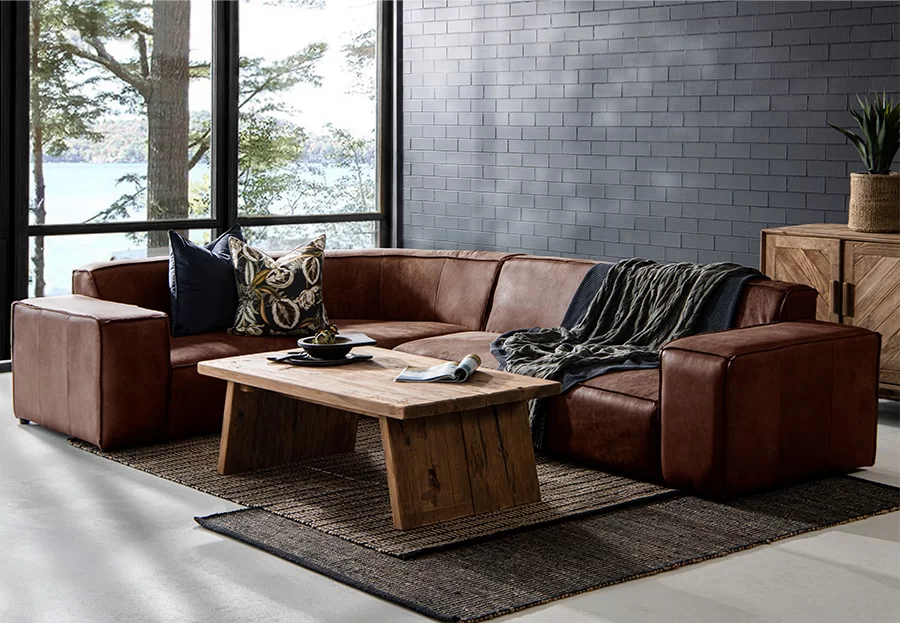
Do they consider how Australian heat and sunlight affect upholstery?
Many buyers choose colour and texture, then later notice fading or heat retention. In bright Australian living rooms, fabric performance matters as much as style.
For sunlit spaces, they can look for higher lightfastness ratings, tightly woven fabrics, or quality leather finishes. If the sofa sits near a north-facing window, UV exposure should be treated like a daily factor.
What performance fabric features are easy to overlook?
They may not ask about pilling resistance, stain protection, or cleanability. Those features decide whether the sofa still looks good after real life happens.
Families with kids or pets often do better with washable covers, easy-clean weaves, or treated fabrics. When comparing corner sofas Australia options, they should ask for care labels and cleaning codes before paying.
Are they thinking about seat height and depth for everyday comfort?
They frequently prioritise “looks big and comfy” instead of checking proportions. Seat depth affects posture, while seat height affects how easily people stand up.
Taller users often prefer a slightly higher seat and supportive back cushions. Shorter users may want a shallower seat so feet rest comfortably on the floor without extra cushions.
Why do modular configurations catch shoppers out?
They assume modular always means flexible, but not all modules swap sides. They should confirm whether the chaise can be moved later, and whether extra pieces can still be purchased in the same fabric batch.
This matters for renters and growing families who may reconfigure rooms. Some corner sofas Australia modulars are genuinely adaptable, while others are effectively fixed once assembled.
Are they overlooking how a corner sofa changes acoustics and TV viewing?
They often place the sofa to “fit the wall” rather than to suit viewing angles and sound. A corner lounge can push some seats off-centre, which affects TV comfort and conversation flow.
They can test this by marking the planned sofa outline and sitting where the corners would be. In open-plan Australian homes, small changes in angle can make the whole room feel calmer.
What hidden costs do they forget to budget for?
They usually budget for the sofa only, then get surprised by delivery, stair carry fees, removal of packaging, or disposal of the old lounge. These costs add up quickly.
They should ask for the full delivered price upfront, including metro versus regional rates. For corner sofas Australia deliveries outside capital cities, lead times and freight fees can be materially different.
Should they prioritise Australian-made, or is imported fine?
Either can be fine, but they should prioritise build quality, warranty support, and parts availability. The main risk is not origin, but poor after-sales support if something fails.
Australian-made can mean easier communication, faster remedies, and local understanding of conditions. With imported lounges, they should confirm warranty terms in writing and keep all product documentation.
How do they evaluate warranties without getting lost in fine print?
They often look only at the headline number of years. They should check what is covered, what is excluded, and whether the warranty is pro-rata or full replacement.
A useful approach is to ask: does it cover the frame, springs, foam, and stitching separately? With corner sofas Australia purchases, clear warranty categories usually signal a more confident manufacturer or retailer.
Are they choosing the right legs and base for Australian floors?
They may not consider flooring until the sofa arrives. Leg height affects cleaning access, and base style affects stability on floating floors or thick carpet.
For hardwood or hybrid floors common in Australia, felt pads or protective glides reduce scratching. On carpet, a broader leg base can prevent wobble and dents over time.
Do they know what to check in store before committing?
They should check more than comfort. They can inspect stitching alignment, fabric tension at seams, cushion recovery after pressing, and how stable the corner join feels.
If it is a recliner corner or includes storage, they should test the mechanisms repeatedly. A careful in-store check reduces regrets with corner sofas Australia buys that look great online but feel different in person.
What quick checklist helps them avoid the most common regrets?
They can avoid most mistakes by confirming a few practical details before ordering. A short checklist also helps compare options fairly across brands.
They should confirm room footprint with a taped outline, chaise direction, access measurements, upholstery performance, cushion fill, modular flexibility, warranty specifics, and full delivery costs. Doing this makes corner sofas Australia shopping feel far less like a gamble and also helps clarify how chaise sofas differ from standard lounge designs before making a purchase.
Which overlooked “best fit” choice matters most for their home?
The most overlooked choice is not colour or trend, but how the sofa supports daily movement through the room. If the layout works, almost every other decision becomes easier.
When they prioritise flow, access, and fabric practicality, they end up with corner sofas Australia households keep for years, not just until the next frustrating living room reshuffle.
FAQs (Frequently Asked Questions)
What common mistakes do shoppers make when measuring for a corner sofa in Australian homes?
Many shoppers measure only the wall space instead of the real usable footprint. It’s crucial to measure the sofa’s full depth, including the chaise, and map out walking paths and door swings. Using masking tape to outline the sofa on the floor can help visualize if it blocks access to areas like balconies or dining zones typical in Australian homes.
How can I choose the correct left-hand or right-hand facing chaise for my corner sofa?
Instead of guessing based on showroom setups, consider how you enter your living room and where you want the longer section to run. In Australia, living areas often open to alfresco or patio spaces, so select a chaise orientation that protects this flow and avoids creating bottlenecks in main walkways.
Why is it important to check doorway, stair, and lift access before purchasing a corner sofa in Australia?
Many buyers only check room size but overlook delivery paths. Measuring narrow access points like apartment lifts, stair turns, and doorways is essential—especially in cities like Sydney, Melbourne, and Brisbane where tight corridors are common. Retailers can often provide packaged dimensions to ensure your sofa fits through these spaces.
What frame materials should I consider when buying a corner sofa for Australian conditions?
While fabric often gets attention first, the frame material is vital for durability. Solid hardwood or quality engineered timber frames generally withstand long-term use better than lightweight particle board. Given Australia’s varied climates—from humid coasts to dry inland heat—a stable, well-joined frame reduces creaks and movement as seasons change.
How do cushion fillings affect comfort and maintenance for corner sofas in Australia?
Cushion fillings vary between high-density foam, feather blends, and fibre fills. High-density foam holds shape longer and suits busy households needing practical comfort. Feather blends feel luxurious but require regular plumping. It’s important to compare these options based on how your household uses the sofa daily.
What upholstery factors should I consider regarding Australian heat and sunlight exposure?
Australian living rooms often have bright sunlight that can cause fading and heat retention. Choose fabrics with higher lightfastness ratings, tightly woven weaves, or quality leather finishes for durability. For sofas near north-facing windows, treating UV exposure as a daily factor helps maintain fabric appearance over time.