
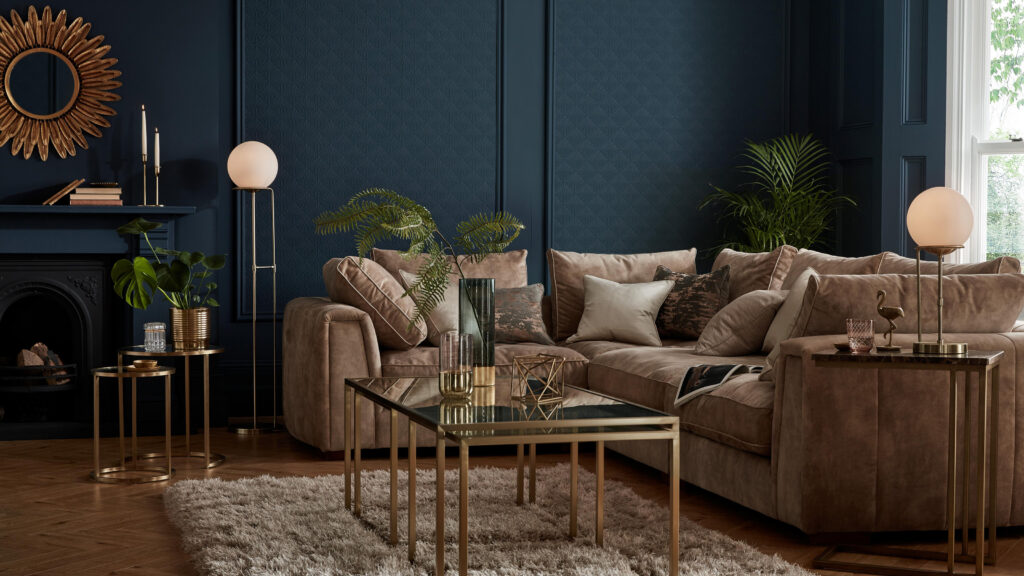
This guide explains how chaise sofas differ from standard lounge designs, in practical terms, with Australian homes and layouts in mind.
What is the key difference between a chaise and a standard lounge?
The key difference is the built-in extended seat. Chaise sofas include a long section designed for legs to rest on, while standard lounges usually have equal-depth seats meant for sitting rather than reclining.
That single change affects everything: how many people fit, how they move around the room, and whether the lounge suits TV nights, entertaining, or daily family use.
How do chaise designs change the way people sit and relax?
They make lounging more horizontal. With chaise sofas, one person can stretch out fully without needing a separate ottoman or recliner.
Standard lounges encourage a more upright posture, which suits chatting, reading, or formal living spaces. The chaise shape tends to suit households that prioritise comfort, especially in open-plan Australian homes where the lounge becomes the main downtime zone.
Do chaise sofas take up more space than standard lounges?
Often, yes, because the extended section increases the footprint. Chaise sofas can be longer overall or require extra depth in one direction, which matters in narrow living rooms or apartments.
That said, they can also replace extra furniture. If they would otherwise add an ottoman or armchair, a chaise can be the more space-efficient option, particularly in smaller Melbourne or Sydney-style layouts.
How does a chaise affect room layout and walkways?
It can block a path if the long section points into a walkway. With chaise sofas, orientation is a major decision because the chaise end may sit where people normally pass through.
Standard lounges are easier to position because their shape is more symmetrical. In Australian homes with sliding doors to a patio or balcony, they usually need to keep clear access, so the chaise direction should be chosen around those traffic lines.
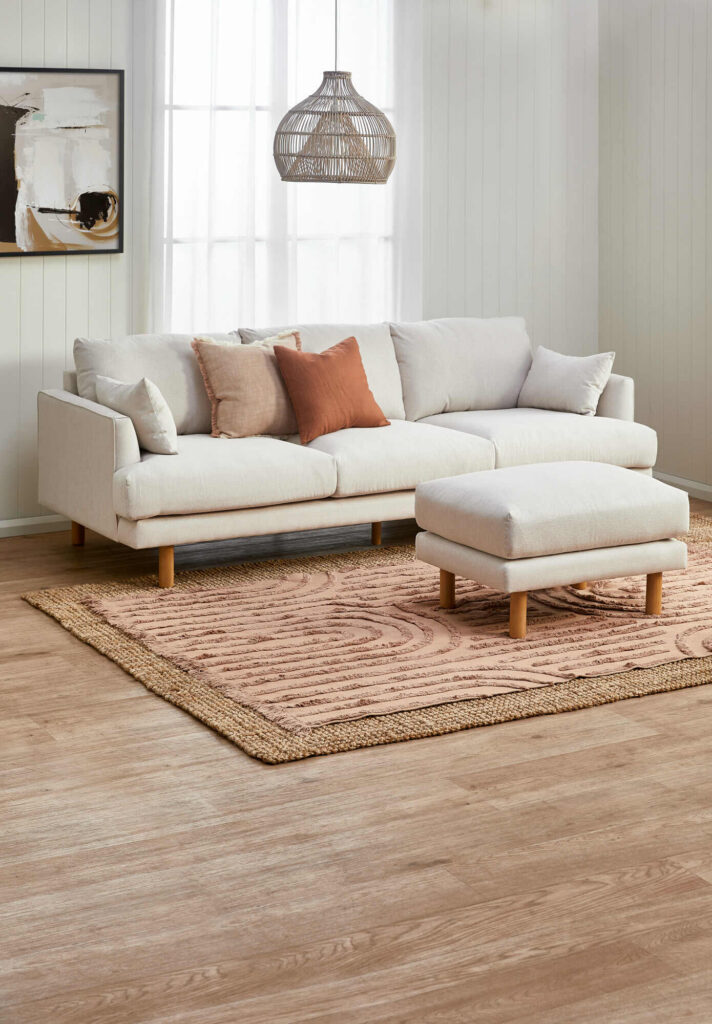
What is the difference between left-hand and right-hand chaises in practice?
It is about which side the extended section sits on when they face the lounge. Chaise sofas are typically sold as left-hand facing or right-hand facing, and choosing the wrong one can make the room feel awkward.
A simple check is to stand where the TV would be and imagine the flow to hallways, windows, and doors. They want the chaise to invite people in, not force them to walk around it.
Are chaise sofas better for families and shared lounging?
They can be, because they create a “premium spot” for stretching out while others still have regular seats. Many households choose chaise sofas because they suit movie nights, casual hosting, and shared downtime.
However, that premium spot can also become a point of competition. If they want equal seating for guests, a standard lounge plus accent seating can sometimes be more balanced for entertaining.
How do chaise sofas compare for entertaining guests?
They are more relaxed and less formal. Chaise sofas are great when guests are close friends and the vibe is casual, especially for long chats or watching sport.
Standard lounges often create cleaner conversation zones because each seat position is similar. For hosts who do frequent gatherings in Brisbane or Perth-style open living spaces, a standard lounge layout can make it easier to add extra chairs without the chaise dominating the room. A balanced lounge layout can make entertaining easier in open-plan living areas.
Do chaise designs offer the same seating capacity as standard lounges?
Not always. The chaise section is great for one person to lie back, but it does not always translate to “more seats” in a crowd. Chaise sofas can feel roomy day to day, yet fit fewer people comfortably when everyone is sitting upright.
Standard lounges, particularly longer straight lounges or classic 3-seaters, can be more predictable for seat count. If they often host larger groups, they should consider how many people can sit with feet on the floor.
How does a chaise change comfort for tall people?
It usually improves it. The extended section on chaise sofas gives taller people somewhere to put their legs without perching or curling up.
Standard lounges can still work if the seat depth is generous, but many are not designed for full leg support. In practical terms, a chaise can reduce the need for footstools and make everyday comfort easier for mixed-height households.
What are the differences in modular options and flexibility?
Many chaise styles are modular, but flexibility varies by brand and design. Some chaise sofas let them swap the chaise end from left to right by moving modules, while others are fixed.
Standard lounges are often simpler and lighter to move, especially smaller 2- and 3-seaters. For renters or frequent rearrangers, it is worth checking whether the chaise is reversible and whether modules can fit through typical Australian doorways and hallways.
Are chaise sofas harder to clean and maintain?
They can be, simply because there is more surface area that gets used heavily. With chaise sofas, the chaise cushion often shows wear first because it becomes the main reclining zone.
Maintenance depends more on upholstery than shape. In Australian homes with kids, pets, or sandy feet after the beach, they usually do best with durable fabric, removable cushion covers, and darker tones that hide everyday marks.
How do chaise and standard lounges differ in visual style?
A chaise adds a relaxed, contemporary silhouette. Chaise sofas often look casual and “inviting,” which suits modern Australian interiors with open-plan living and soft textures.
Standard lounges can read more structured and classic, especially with matching arms and a balanced shape. If they want the lounge to look tidy even when nobody is using it, a standard design often holds its form more visually.
What should they consider for small Australian apartments?
They should measure carefully and prioritise walkways. In compact spaces, chaise sofas can work brilliantly if the chaise replaces an ottoman and reduces the need for extra seating.
The risk is crowding the room. A smaller chaise, apartment-scale modular, or a standard 2-seater with a separate ottoman can offer similar comfort while keeping the layout flexible for moving day.
Which option suits open-plan Australian living best?
It depends on how they zone the room. Chaise sofas can act as a soft divider between the living area and dining or kitchen zone, which is common in newer builds and renovations.
Standard lounges can also define a zone, but they may need a rug and side chairs to complete the “living room” feel. If they want one piece to anchor the space and signal “this is where people relax,” a chaise often does that job faster.
How can they choose between a chaise and a standard lounge quickly?
They should decide how the room is used most days. If the priority is stretching out, movie nights, and one main lounging spot, chaise sofas usually win.
If the priority is flexible seating, easy layouts, and entertaining with clear walkways, a standard lounge is often the safer choice. The best shortcut is to map the room, mark door swings and paths, then match the lounge shape to the flow they want.
What is the simplest way to avoid buying the wrong configuration?
They should measure, tape it out, and check direction. The most common mistake with chaise sofas is choosing the wrong side, then discovering it blocks access to a hallway, balcony, or window.
A practical approach is to place masking tape on the floor to outline the full footprint, then walk around it as if they are carrying laundry, serving snacks, or letting kids run through. If it feels cramped on day one, it will feel worse over time. This is especially important when considering corner sofas Australia shoppers often overlook before buying, as the shape can affect walkways, access points, and usable floor space.
FAQs (Frequently Asked Questions)
What is the main difference between a chaise sofa and a standard lounge?
The key difference lies in the built-in extended seat. Chaise sofas feature a long section designed for leg rest, allowing one to stretch out fully, while standard lounges have equal-depth seats intended primarily for sitting upright.
Do chaise sofas require more space than traditional lounges?
Often, yes. The extended section of chaise sofas increases their footprint, which can be a consideration in narrow living rooms or apartments. However, they can replace additional furniture like ottomans or armchairs, potentially saving space in smaller Australian homes.
How does the orientation of a chaise sofa affect room layout and flow?
Orientation is crucial because the chaise end can block walkways if placed incorrectly. In Australian homes with features like sliding doors to patios or balconies, it’s important to position the chaise so it doesn’t obstruct traffic lines and maintains clear access.
What should I consider when choosing between left-hand and right-hand chaise sofas?
Left-hand or right-hand refers to which side the extended section sits on when facing the lounge. To choose correctly, stand where the TV would be and visualize room flow to hallways, windows, and doors; the chaise should invite people in rather than force them to navigate around it awkwardly.
Are chaise sofas better suited for families and shared lounging?
They often are, as they provide a premium spot for stretching out while others have regular seating. This setup suits movie nights and casual hosting common in Australian households. However, if equal seating is needed for guests, combining a standard lounge with accent chairs might offer more balanced entertaining options.
How do chaise sofas compare in comfort for tall individuals?
Chaise sofas generally improve comfort for taller people by providing an extended section to fully support legs without needing footstools. Standard lounges may work if they have deep seats but often lack sufficient leg support for taller users in everyday use.