
Sydney’s climate and building styles can create steady termite risk, so long-term results usually come from a plan that combines treatment with inspection and risk reduction. When they treat early, choose the right method, and keep up with follow-ups, many properties remain protected for years.
What does “long-term protection” actually mean with termites?
Long-term protection in termite pest control Sydney means reducing the chance of a colony reaching the structure and catching activity before major damage occurs. It rarely means a once-and-done solution with zero future checks.
In practice, termite pest control Sydney long-term protection is a mix of deterrence, interruption of termite foraging, and early detection. The best outcome is that termites either do not enter, or they are discovered quickly enough that damage stays minimal.
Why is Sydney considered a higher-risk termite area?
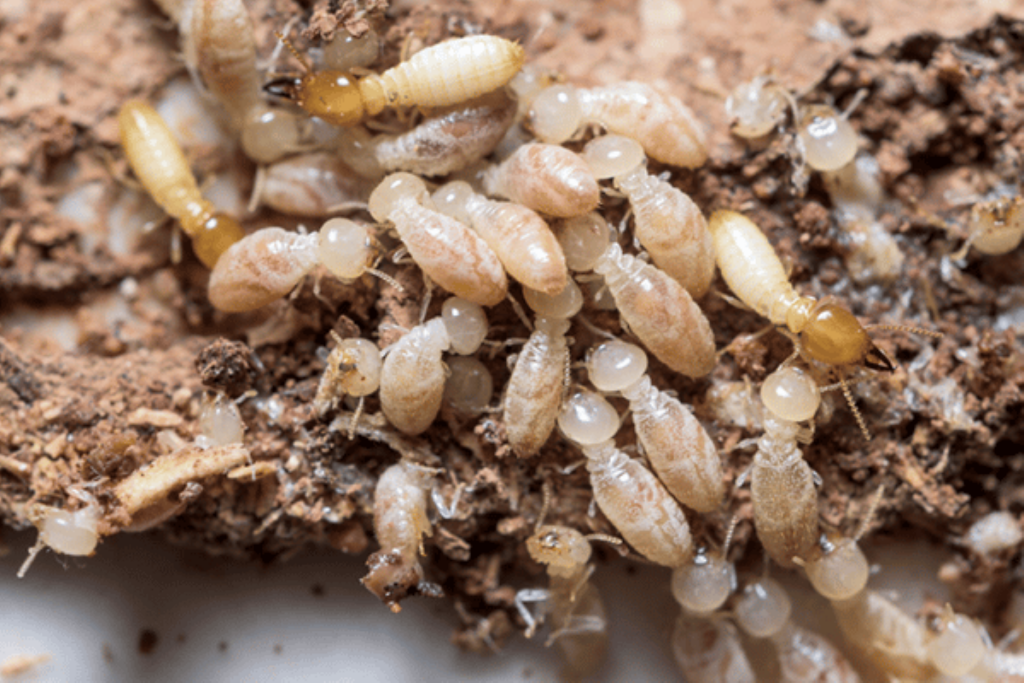
Sydney has warm periods, moisture, and plenty of timber and landscaped zones that support termite survival. Subterranean termites can travel from nests to food sources without being obvious from the surface.
Many homes also have garden beds, retaining walls, concealed subfloors, and drainage issues that increase risk. Even well-built properties can be vulnerable if moisture and access points are not controlled.
Which termite treatments in Sydney tend to last the longest?
The longest-lasting outcomes typically come from chemical barriers, baiting programs, or a combination of both. Which one lasts “longest” depends on the site conditions and how consistently they maintain the system.
A chemical barrier can offer multi-year protection when installed correctly and left undisturbed. A baiting program can also protect long term, but it relies on active monitoring and timely bait replenishment to stay effective.
How effective are chemical barriers for long-term termite control?
Chemical barriers can be very effective when they are applied to the right zones at the correct rate and depth. Their effectiveness drops if the barrier is patchy, disturbed by renovations, or compromised by soil movement and drainage.
They work by creating a treated zone termites avoid or cannot survive crossing. For long-term performance, they usually need documentation, careful installation around penetrations, and future checks to confirm the barrier has not been broken. Check out more about drainage feature protections.
How effective are termite baiting systems over multiple years?
Baiting systems can be highly effective for long-term protection when they are monitored on schedule. They reduce termite pressure by intercepting foragers and potentially impacting colonies over time.
Their limitation is neglect. If stations are not checked, termites can bypass the system or activity can go unnoticed. When they stay consistent, baiting can be a strong long-term strategy, especially where barriers are difficult to install.
Does one treatment work best, or is a combination approach stronger?
A combination approach is often stronger because it covers more scenarios. Barriers focus on exclusion, while baiting focuses on interception and detection.
Many Sydney properties benefit from combining physical or chemical protection with monitoring stations. This layered approach helps when conditions change, such as new landscaping, heavy rain events, or small building works that may open entry points.
What factors decide whether a treatment actually holds up long term?
The biggest factors are termite species, moisture conditions, access points, and installation quality. Even the best product can fail if the site is not prepared properly or if risks remain unmanaged.
Ongoing property changes matter too. New garden beds, leaking pipes, stored timber, and blocked subfloor ventilation can raise risk again. Long-term success usually belongs to owners who treat termites as a continuing risk, not a one-off emergency.
How important are inspections in long-term termite protection?
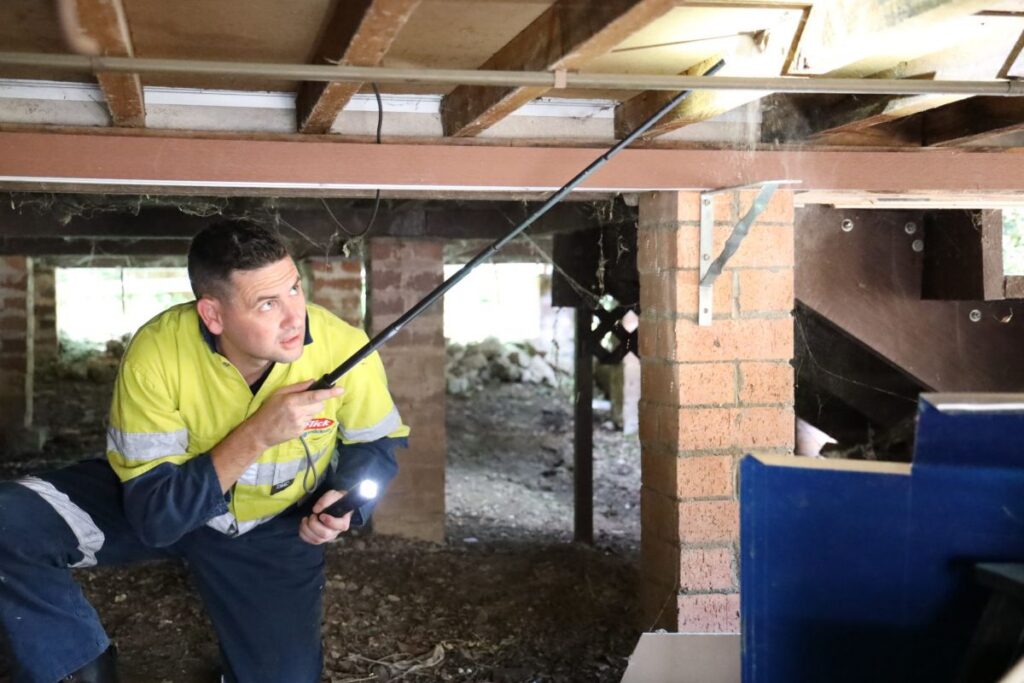
Inspections are essential because termites can be active without visible signs. Regular inspections help confirm the treatment is still performing and catch new risk factors early.
In many cases, the inspection finds the real cause of repeated issues, such as moisture or concealed entry routes. They usually get better long-term value when inspections are routine, documented, and paired with clear recommendations.
Can termites come back after professional treatment?
Yes, termites can return because treatment does not remove the environment that attracts them. A colony may be eliminated, but new colonies can move in, or termites can find a gap in protection.
Return risk is higher when moisture remains unresolved or when the treated zone is disturbed. Long-term protection improves when they combine treatment with prevention steps like drainage fixes, ventilation improvements, and timber clearance.
What maintenance steps support termite control in Sydney homes?
Good maintenance lowers the chance termites will find ideal conditions. The most helpful steps usually involve moisture management and access control.
Common actions include fixing leaks, improving subfloor ventilation, keeping weep holes clear, reducing soil-to-timber contact, and storing timber away from the structure. They also tend to perform better when garden beds are kept below slab edges and irrigation is not soaking the perimeter.
How long does termite protection typically last in real-world conditions?
Protection length varies by method, property conditions, and how well the system is maintained. Many treatments are designed to last years, but real-world disturbances can shorten that.
A well-installed barrier can protect for several years, while baiting can protect indefinitely if maintained. The most reliable “long-term” expectation is ongoing protection through scheduled checks, not a fixed number of years without follow-up.
What are the signs long-term protection might be failing?
Early warning signs include new mud leads, soft or hollow-sounding timber, tight doors, and unexplained cracking near frames. They may also notice moisture build-up in subfloors or repeated ant activity near timber, which can sometimes indicate termite presence.
Another sign is changes around the home that break protection, such as new paving, plumbing works, or landscaping that covers inspection zones. If protection depends on a barrier, any disturbance should be treated as a risk until checked.

How can they choose a termite pest control service for lasting results?
They usually get the best long-term outcome by choosing a service that focuses on inspection, documentation, and an ongoing plan rather than a quick treatment only. A strong provider explains termite pressure at the site, the method chosen, and what maintenance is required to keep it effective.
They should also look for clear reporting, diagrams of treated areas or station locations, and a schedule for follow-up. Long-term protection is most effective when the service and the homeowner share responsibility for monitoring and risk reduction.
So, how effective is termite pest control Sydney for long-term protection?
It can be very effective, but it works best as a system: treatment plus inspections plus prevention. The properties that stay protected long term are usually the ones with a suitable method, high-quality installation, and consistent follow-up.
If they want lasting protection, they should treat termite control as an ongoing program. That approach is what turns a single treatment into genuine long-term defence.
More to Read : Do You Need a Rat Exterminator Sydney or DIY Solutions?
FAQs (Frequently Asked Questions)
What does long-term termite protection mean in Sydney?
Long-term termite protection in Sydney means reducing the chance of termite colonies reaching your property and catching activity early before major damage occurs. It involves a mix of deterrence, interrupting termite foraging, and early detection through regular monitoring and maintenance rather than a one-time treatment.
Why is Sydney considered a high-risk area for termites?
Sydney’s warm climate, moisture levels, abundant timber, and landscaped zones create ideal conditions for subterranean termites. Features like garden beds, retaining walls, concealed subfloors, and drainage issues increase risk by providing access points and moisture that support termite survival.
Which termite treatments offer the longest-lasting protection in Sydney homes?
Chemical barriers and baiting programs tend to offer the longest-lasting termite protection. Chemical barriers provide multi-year protection when properly installed and undisturbed, while baiting systems can protect indefinitely with consistent monitoring and timely bait replenishment tailored to site conditions.
How effective are chemical barriers for long-term termite control?
Chemical barriers are highly effective when applied correctly at the right rate and depth around key zones. Their effectiveness depends on installation quality and maintenance; disturbances from renovations or soil movement can compromise the barrier. Regular inspections ensure the barrier remains intact for sustained protection.
Can termite baiting systems provide reliable long-term control?
Yes, termite baiting systems can be highly effective long-term when monitored regularly. They intercept termite foragers and can reduce colony pressure over time. However, neglecting scheduled checks or bait replenishment reduces their effectiveness as termites may bypass stations or go unnoticed.
Is a combination of treatments better for long-term termite protection in Sydney?
A combination approach is often stronger because it addresses multiple scenarios. Chemical or physical barriers focus on exclusion, while baiting targets interception and early detection. Combining these methods with ongoing monitoring helps adapt to changes like new landscaping or building works that may create new entry points.