
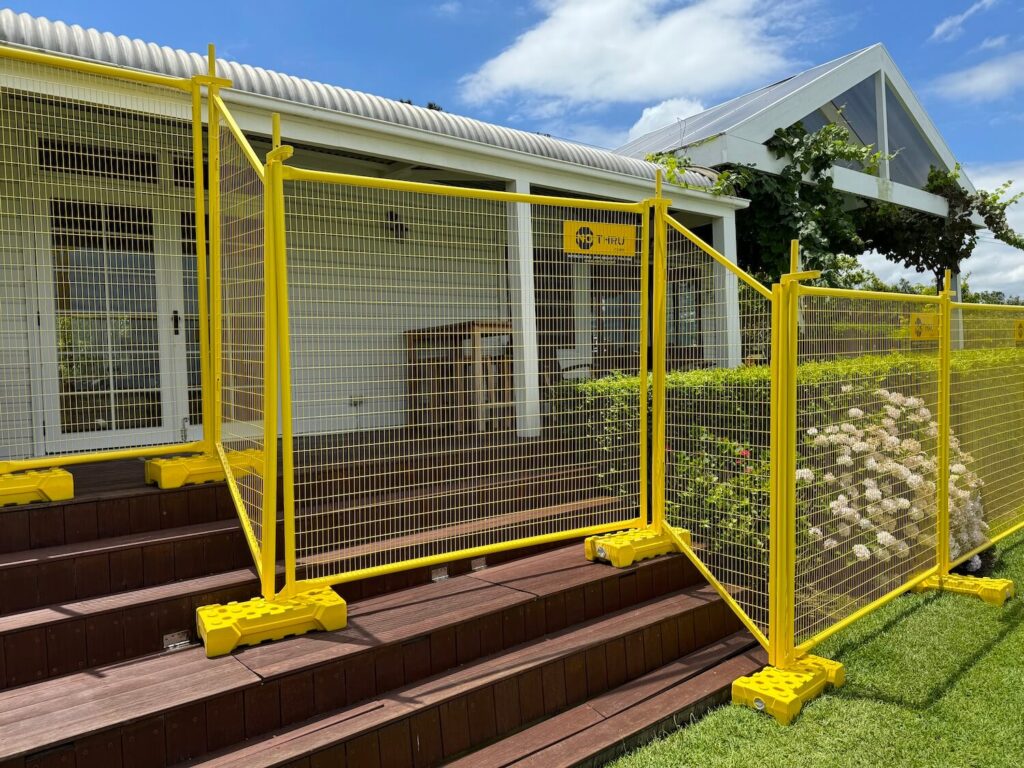
Protecting property boundaries has become a critical concern for homeowners, businesses, and industrial facilities alike. Perimeter security serves as the first line of defence against unauthorised access, theft, vandalism, and other security threats. A well-designed perimeter barrier not only deters potential intruders but also defines property boundaries, controls access points, and provides peace of mind to property owners.
Mesh fencing has emerged as one of the most versatile and reliable solutions for perimeter security across diverse applications. From residential gardens to high-security industrial compounds, this fencing type offers an exceptional balance of strength, visibility, and adaptability. Its woven or welded wire construction creates a formidable barrier whilst maintaining sightlines and allowing natural airflow—qualities that make it suitable for everything from school playgrounds to critical infrastructure sites.
The popularity of choosing mesh fencing stems from several practical advantages: durability that withstands harsh weather conditions, relatively straightforward installation processes, and customisation options that address specific security requirements. Unlike solid barriers, mesh designs provide transparency that enables surveillance whilst still maintaining robust physical protection.
This comprehensive guide walks you through the essential considerations when selecting mesh fencing for perimeter security. You’ll discover how to assess your security requirements, understand the technical specifications that affect performance, evaluate material options for longevity, and balance cost considerations with protective capabilities. Whether you’re securing a residential property, commercial premises, or industrial facility, understanding these factors ensures you invest in a fencing solution that delivers effective protection tailored to your unique circumstances.
What Security Level Does Your Perimeter Require?
Your security level requirements depend entirely on the nature of threats you face and the value of assets you’re protecting. A residential property with minimal risk needs vastly different protection than a critical infrastructure site or high-value commercial facility.
Threat assessment begins with identifying who might attempt unauthorised access and why. Consider whether you’re deterring opportunistic trespassers, preventing determined intruders, or protecting against sophisticated attacks. Evaluate historical incidents in your area, the attractiveness of your property to criminals, and any specific vulnerabilities unique to your site.
Standard Security Fencing Options
Standard mesh fencing typically features:
- Wire gauges between 2.5mm and 3.5mm
- Mesh apertures of 50mm x 50mm or larger
- Heights ranging from 1.8m to 2.4m
- Basic galvanised or PVC-coated finishes
These specifications suit low-risk environments like residential gardens, sports facilities, or general property demarcation where the primary goal is boundary definition rather than preventing determined intrusion attempts.
High-Security Fences Specifications
High-security fences incorporate substantially more robust construction:
- Heavy-duty wire gauges of 4mm or thicker
- Tight mesh apertures of 12.7mm x 76.2mm or smaller
- Heights exceeding 3m with anti-climb features
- Multiple coating layers for enhanced durability
- Welded mesh panels rather than chain-link construction
Sites requiring this level of protection include prisons, military installations, data centres, pharmaceutical facilities, and critical infrastructure. The welded construction creates a rigid barrier that resists cutting tools and climbing attempts far more effectively than standard options.
How Security Needs Shape Mesh Selection
The assessed threat level directly dictates mesh specifications. Small aperture mesh (under 25mm) prevents finger or toe holds, making climbing extremely difficult. This becomes essential when protecting against agile intruders or preventing escape in detention facilities.
Wire thickness correlates with cutting resistance. A 6mm wire requires industrial-grade bolt cutters and significant time to breach, creating a psychological and physical deterrent. Standard 2.5mm wire can be cut with basic hand tools in seconds.
Anti
How Does Mesh Size Impact Security and Functionality?
Mesh size directly determines how effectively your fence prevents intrusion while affecting visibility and airflow. The aperture dimensions—typically measured in millimetres—range from tight 12.5mm x 12.5mm grids to more open 75mm x 75mm patterns, each serving distinct security and functional purposes.
Understanding Mesh Size Categories
Small mesh security configurations (12.5mm to 50mm apertures) create formidable barriers against unauthorised access. These tight patterns eliminate footholds and handholds, making vertical climbing nearly impossible. The reduced opening size also resists wire cutters and bolt croppers, as tools struggle to gain purchase on the closely-spaced wires. A 25mm x 25mm mesh, for instance, prevents fingers from threading through, whilst simultaneously blocking small objects from being passed through the fence.
Larger apertures (50mm to 75mm) prioritise large mesh visibility and environmental flow. These configurations allow unobstructed sightlines across boundaries, making them ideal where surveillance and monitoring are priorities. The increased openness reduces wind resistance by up to 40% compared to smaller meshes, preventing structural stress during storms.
Small Mesh Applications and Benefits
Tight mesh configurations excel in environments requiring maximum containment:
- Correctional facilities and detention centres use 12.5mm apertures to prevent contraband transfer
- Pharmaceutical sites and data centres employ 25mm meshes to deter industrial espionage
- Schools and childcare facilities benefit from 50mm patterns that prevent small children from squeezing through
- Pet enclosures utilise similar dimensions to contain animals whilst maintaining visibility
The anti-climb properties of small meshes create psychological deterrents. Potential intruders recognise the difficulty of scaling smooth surfaces without grip points, often abandoning attempts before making contact with the fence.
Large Mesh Advantages in Open Environments
Spacious apertures serve specific functional requirements where security needs balance with other operational demands:
- Sports facilities use 50mm to 75mm meshes around tennis courts and football pitches, allowing spectators clear viewing whilst containing balls
- Agricultural properties benefit from airflow that prevents moisture buildup and crop damage
What Role Does Wire Gauge Play in Fence Durability?
Wire gauge determines the thickness of individual wires in your mesh fencing, directly affecting its strength and lifespan. Understanding wire gauge measurements helps you select fencing that withstands the specific demands of your perimeter security needs.
Understanding Wire Gauge Measurements
Wire gauge operates on an inverse scale where lower numbers indicate thicker, stronger wires. A 10-gauge wire measures approximately 3.4mm in diameter, whilst a 14-gauge wire measures around 2.0mm. This difference might seem minimal, but it dramatically impacts fence performance. When learning how to choose the right mesh fencing for perimeter security, recognising that each gauge reduction represents roughly a 20% decrease in wire thickness proves essential for matching fence specifications to security requirements.
Strength and Security Benefits of Thicker Wires
Thicker wires provide superior resistance against cutting tools, physical impacts, and tampering attempts. An 8-gauge wire fence can withstand bolt cutters and climbing attempts far better than 12-gauge alternatives. High-security installations at industrial sites, prisons, and military facilities typically specify 6 to 10-gauge wiring because these thicker options create genuine barriers against determined intruders. The increased fence strength from heavier wire gauge selections means attackers require more time and specialised equipment to breach the perimeter, often deterring attempts entirely.
Cost Considerations with Wire Thickness
Heavier gauge fencing demands a higher initial investment due to increased material costs and installation complexity. A 10-gauge mesh fence might cost 40-60% more than a 14-gauge equivalent covering the same area. The additional weight requires sturdier posts, reinforced frameworks, and potentially more labour hours during installation. Budget-conscious projects often select 12 or 14-gauge options for moderate-security applications where the threat level doesn’t justify premium pricing.
Weight and Installation Implications
Thicker wires create substantially heavier fence panels, affecting transportation, handling, and structural requirements. A 50-metre run of 8-gauge fencing can weigh twice as much as 12-gauge material. This weight difference necessitates:
- Reinforced concrete footings for support posts
- Heavy-duty tensioning systems capable of accommodating increased panel weight
- Careful consideration of gate design and hardware to handle added strain
These factors may influence project timelines and logistics, particularly when dealing with large-scale installations or remote locations.
Balancing Security Needs with Practical Constraints
Selecting the appropriate wire gauge involves balancing security needs with practical constraints such as budgetary limitations and installation capabilities. While thicker wires offer enhanced protection against intruders, they also come with higher costs and logistical challenges.
It’s essential to assess your specific security requirements alongside these factors when making decisions about wire thickness for your mesh fencing system. Consider engaging professionals who specialise in perimeter security solutions to gain insights tailored to your unique circumstances.
By understanding how wire gauge impacts durability—and factoring in associated costs—we can make informed choices that align our fences’ performance expectations with real-world considerations like budgets or site conditions.
This knowledge empowers us not only during selection but also throughout installation processes—ensuring every aspect contributes towards creating robust barriers safeguarding our premises effectively!
Which Materials and Coatings Are Best for Longevity?
The material composition and protective coatings determine how long your mesh fence will maintain its structural integrity and appearance. Steel remains the predominant choice for mesh fencing due to its strength-to-cost ratio, though the protective treatment applied to the steel significantly impacts its lifespan.
Common Fence Materials
Galvanised steel forms the backbone of most commercial and industrial mesh fencing installations. The galvanisation process coats steel wire with a protective zinc layer that acts as a sacrificial barrier against rust and corrosion. A galvanised chain-wire fence typically lasts 15-25 years in standard environments, making it the most economical long-term option.
Stainless steel mesh offers superior corrosion resistance but comes at a premium price point. This material suits environments where hygiene standards are paramount or where exposure to chemicals would rapidly degrade other metals. Medical facilities, food processing plants, and pharmaceutical sites frequently specify stainless steel despite the higher initial investment.
PVC-coated mesh combines galvanised steel with a polymer outer layer, providing dual protection against environmental damage. The plastic coating adds colour options whilst creating an additional moisture barrier. This material works particularly well in residential settings where aesthetics matter alongside security.
Galvanised Coatings in Challenging Environments
Coastal installations face accelerated deterioration from salt-laden air. Standard galvanised fence materials may show rust within 5-7 years near the ocean, whilst hot-dip galvanised options extend this to 15-20 years. The hot-dip process creates a thicker, more uniform zinc coating that bonds metallurgically with the base steel.
Galfan coating (zinc-aluminium alloy) provides enhanced protection in marine environments. The aluminium component creates a denser oxide layer that resists salt penetration more effectively than pure zinc. Fences treated with Galfan can last 30+ years in coastal zones, justifying the 20-30% cost premium for properties within 5km of the sea.
Industrial sites with chemical exposure require specialised treatments. Powder-coated finishes over galvanised steel offer resistance to specific corrosive agents, though the durability depends on factors like application method and environment.
How Should Fence Height and Location Influence Your Choice?
Fence height directly correlates with your security objectives—taller barriers deter climbing attempts and create psychological deterrence. Standard residential perimeters typically require 1.8 to 2.4 metres, whilst high-security installations demand 3 metres or more with anti-climb features.
Matching Height to Security Requirements
Different environments call for specific height specifications:
- Residential properties: 1.8–2.1 metres provides privacy and basic security
- Commercial premises: 2.4–3 metres establishes clear boundaries and deters casual trespass
- Critical infrastructure: 3+ metres with integrated security features prevents determined intrusion attempts
- Sports facilities: 3–4 metres contains balls and equipment whilst maintaining visibility
The selected height affects wind loading calculations and post spacing requirements. Taller installations need deeper post foundations and potentially thicker wire gauges to withstand increased lateral forces.
Environmental Exposure Considerations
Fence location determines which environmental stresses your mesh fencing will endure. Coastal sites experience salt-laden air that accelerates corrosion, making premium galvanised or powder-coated options essential rather than optional. Inland locations with moderate climates can utilise standard galvanised mesh without compromising longevity.
Wind exposure varies dramatically between open fields and sheltered urban settings. Exposed locations require:
- Reinforced post installations with concrete footings
- Reduced mesh panel widths to minimise wind catch
- Heavier wire gauges for structural integrity
- Additional bracing at regular intervals
Shaded areas beneath tree canopies retain moisture longer, creating conditions where organic debris accumulates against the fence line. This persistent dampness can compromise even quality coatings over time, suggesting the need for marine-grade galvanisation or stainless steel mesh in heavily wooded locations.
Aesthetic Integration with Surroundings
The visual impact of fence height changes based on context. A 3-metre barrier appears imposing in residential neighbourhoods but proportionate around industrial complexes. Urban settings often mandate specific height restrictions to preserve sightlines and neighbourhood character.
Fence location relative to property boundaries affects design choices. Perimeter fencing along public spaces may require artistic elements or transparency to avoid creating fortress-like impressions.
What Additional Security Features Can Enhance Protection?
1. Barbed Wire Topping
Barbed wire topping transforms standard mesh fencing into a formidable deterrent. Installing three or four strands of barbed wire at 45-degree angles along the fence top creates a psychological and physical barrier that discourages climbing attempts. This addition proves particularly effective for industrial sites, warehouses, and commercial properties where theft prevention ranks as a priority concern.
2. Automatic Gates
Automatic gates equipped with sensors and timers provide controlled access whilst maintaining continuous perimeter security. These systems eliminate the vulnerability of manually operated entry points, automatically closing after each use and preventing unauthorised access during off-hours. Integration with vehicle recognition technology allows seamless entry for authorised personnel whilst logging all access attempts for security audits.
3. Access Control Systems
Access control systems add an intelligent layer to mesh fencing perimeters. Electronic keypads, card readers, or biometric scanners ensure only authorised individuals can enter the premises. Modern systems connect to central monitoring stations, sending real-time alerts when someone attempts unauthorised entry or when gates remain open beyond programmed timeframes.
Layered Defence Through Combined Fencing Types
Pairing mesh fencing with palisade sections creates zones of escalating security. The outer mesh perimeter provides visual monitoring and initial deterrence, whilst inner palisade fencing protects high-value areas with its rigid, pointed pales that resist cutting and climbing. This dual-layer approach forces intruders to breach multiple barriers, significantly increasing detection time.
Strategic placement of different fencing types addresses specific vulnerabilities:
- Mesh fencing along street-facing boundaries maintains neighbourhood aesthetics
- Palisade sections protect rear access points and loading bays
- Combined barriers around equipment yards or storage areas
- Reinforced mesh near gates and entry points
Electronic Surveillance Integration
CCTV cameras mounted on mesh fence posts extend visual coverage across the entire perimeter. The fence structure provides ideal mounting points at consistent heights, eliminating blind spots. Motion-activated cameras paired with LED lighting create an active deterrent system that captures clear footage of any intrusion attempts.
Vibration sensors attached to mesh panels detect cutting or climbing attempts instantly. These sensors distinguish between environmental factors like wind and deliberate tampering, triggering alarms only for genuine security threats. When connected to
How Do Aesthetics and Local Regulations Affect Your Decision?
Fence aesthetics and local regulations compliance directly shape which mesh fencing options remain viable for your perimeter security project. A fence that fails to meet municipal codes or clashes with neighbourhood character creates legal headaches and community friction, regardless of its security capabilities.
Does Your Environment Demand Specific Visual Standards?
Residential properties typically require mesh fencing that blends harmoniously with surrounding homes and landscaping. Powder-coated mesh in colours like black, green, or bronze creates a softer visual profile than industrial galvanised steel, making the security barrier feel less intrusive. Commercial and industrial sites often prioritise function over form, though many businesses now opt for architecturally designed mesh systems that project professionalism whilst maintaining robust security.
The distinction matters because residential areas frequently impose stricter aesthetic requirements through homeowners’ associations or planning departments. A 3-metre galvanised security fence might suit a warehouse perfectly but violate residential height restrictions or design covenants.
What Building Codes Govern Your Installation?
Local authorities enforce specific requirements for fence height, setback distances from property boundaries, and structural specifications. Many councils limit residential front fences to 1.2 metres whilst permitting 1.8–2.4 metres for rear boundaries. Commercial zones often allow taller installations but may require planning permission for fences exceeding certain heights.
Building codes also address safety concerns:
- Mesh aperture size restrictions near pools or playgrounds
- Wind load calculations for exposed locations
- Foundation depth requirements based on soil conditions
- Electrical safety standards for integrated access control systems
Failing to verify these regulations before purchase leads to costly modifications or complete reinstallation. Contact your local planning department early in the decision process to obtain current fence regulations and any required permits.
Can You Satisfy Both Security and Visual Requirements?
Balancing protection with appearance requires strategic design choices. Decorative mesh panels with architectural patterns provide security whilst enhancing visual interest. Combining different mesh specifications—tighter weave at lower levels for security, more open patterns higher up for reduced visual weight—achieves both objectives.
Landscaping integration softens security fencing’s appearance without compromising effectiveness. Planting shrubs or climbing plants along the fence line creates natural screening, though
How Can You Balance Cost Against Durability?
Smart budgeting for mesh fencing requires evaluating both immediate expenses and future costs over the fence’s lifespan. A cheaper fence that needs replacing in five years often costs more than investing in quality materials upfront that last 20-25 years with minimal maintenance.
Understanding the True Cost of Mesh Fencing
The initial purchase price represents only part of your total investment. Installation labour, ground preparation, post foundations, and gate systems add to upfront expenses. A standard galvanised mesh fence might cost £40-60 per linear metre installed, while high-security options with thicker wire gauge and premium coatings can reach £80-120 per metre.
Maintenance expenses accumulate differently depending on material choices. Basic uncoated steel mesh requires regular rust treatment and repainting every 3-5 years, adding £15-25 per metre in labour and materials. Galvanised or powder-coated options eliminate most maintenance for decades, saving hundreds of pounds over time.
Where to Invest for Maximum Value
Wire gauge selection significantly impacts both cost and longevity. A 2.5mm wire costs approximately 30% less than 4mm wire but offers substantially reduced security and durability. For high-risk areas, the thicker gauge prevents cutting attempts and resists impact damage that would compromise thinner alternatives within months.
Coating quality determines environmental resistance. Standard galvanisation adds 15-20% to material costs but extends fence life by 10-15 years in typical conditions. In coastal or industrial environments with corrosive elements, this protection becomes essential rather than optional.
Mesh aperture size affects material quantity and price. A 50mm x 50mm mesh uses less wire than 25mm x 25mm, reducing costs by 20-30%. The larger aperture works well for low-security applications where visibility matters more than intrusion prevention.
Calculating Long-Term Investment Returns
A budget-conscious approach examines cost per year of service rather than initial outlay alone. Consider these scenarios:
- Economy option: £45/metre, 8-year lifespan, £200 maintenance = £5.63 per metre annually
- Standard option: £65/metre,
Why Is Mesh Fencing Often Preferred Over Palisade Fencing?
Mesh fencing offers a less intimidating visual profile than palisade fencing whilst delivering comparable security performance. The woven or welded wire construction creates a barrier that feels more open and approachable, making it particularly suitable for schools, parks, residential boundaries, and commercial premises where an aggressive appearance would be counterproductive.
Key mesh fencing advantages over palisade systems include:
- Visual permeability – allows natural surveillance through the fence line
- Lighter structural weight – reduces foundation requirements and installation complexity
- Flexible installation – adapts more readily to uneven terrain and curved boundaries
- Lower material costs – typically 20-40% less expensive than equivalent palisade installations
- Reduced injury risk – no sharp vertical spikes that pose liability concerns
The maintenance profile differs significantly between these two fencing types. Palisade fencing requires regular inspection of individual pales for loosening, rust at connection points, and potential damage to pointed tops. Mesh systems present fewer individual components that can fail, with the continuous wire construction distributing stress across the entire panel rather than concentrating it at specific vertical elements.
How Does Maintenance Compare Between Systems?
Mesh fencing demands minimal upkeep beyond periodic cleaning and occasional tension adjustments. The galvanised or powder-coated surfaces resist corrosion uniformly, eliminating the need to address individual component deterioration. Palisade fences often require repainting or treatment of individual pales where protective coatings have been compromised, creating ongoing labour costs.
Repair procedures favour mesh installations. A damaged section of mesh fencing can be cut out and replaced with a patch, whilst palisade damage typically necessitates removing and replacing entire pales or sections. This difference becomes particularly relevant in high-traffic areas or locations prone to accidental impact.
Which Applications Suit Each Fencing Type?
Palisade fencing excels in situations demanding maximum visual deterrence – industrial sites storing valuable equipment, utility substations, or facilities requiring an unmistakable security presence. The rigid vertical construction and pointed tops communicate restricted access unambiguously.
Mesh fencing serves broader applications whilst maintaining strong perimeter protection:
- Schools
- Parks
- Residential boundaries
- Commercial premises
Conclusion
How to Choose the Right mesh fencing for Perimeter Security requires a methodical evaluation of your specific circumstances. The most effective perimeter security tips begin with understanding that no single solution fits every scenario—your choice must reflect the unique demands of your property, budget, and security objectives.
Start by conducting a thorough threat assessment to determine whether standard or high-security mesh fencing serves your needs best. Consider how mesh size, wire gauge, and coating options work together to create the level of protection you require. A smaller mesh with thicker wire gauge provides maximum security but comes at a higher cost, whilst larger mesh with standard wire offers adequate protection for lower-risk environments at reduced expense.
Location-specific factors deserve equal attention. Properties in coastal regions benefit from galvanised coatings that resist corrosion, whilst urban installations may prioritise aesthetics to blend with surrounding architecture. Height requirements vary based on whether you’re securing a residential garden, commercial premises, or industrial facility.
The choosing mesh fencing summary centres on balancing four critical elements:
- Security requirements matched to genuine threat levels
- Material quality appropriate for environmental conditions
- Visual integration with existing structures and neighbourhood character
- Budget allocation that accounts for lifespan and maintenance costs
Customised solutions deliver the best results. Working with experienced suppliers allows you to specify exact combinations of mesh size, wire thickness, coating type, and additional features like barbed wire or access control integration. This tailored approach ensures your investment provides reliable protection without unnecessary expenditure on features you don’t need.
Take time to review local regulations before finalising your decision, as compliance requirements may influence height restrictions or design specifications. The right mesh fencing system protects your perimeter effectively whilst meeting aesthetic expectations and delivering long-term value through minimal maintenance demands.
FAQs (Frequently Asked Questions)
How do I determine the right security level for my perimeter when choosing mesh fencing?
Assessing the required security level involves conducting a thorough threat assessment to understand potential risks. This helps differentiate between standard and high-security fencing options, guiding your choice of mesh type and any additional security features needed to effectively protect your perimeter.
What impact does mesh size have on the security and functionality of perimeter fencing?
Mesh size significantly affects both security and functionality. Smaller meshes enhance security by preventing climbing and cutting, making them ideal for high-risk areas. Larger meshes improve visibility and airflow, which is beneficial for environments like sports facilities or residential zones where surveillance and ventilation are priorities.
Why is wire gauge important in selecting durable mesh fencing?
Wire gauge indicates the thickness of the wire used in mesh fencing. Thicker wires provide enhanced strength and greater resistance to tampering, contributing to overall fence durability. However, thicker wires may increase cost and weight, so it’s essential to balance these factors according to your budget and security needs.
Which materials and coatings should I consider for long-lasting mesh fencing?
Common materials include galvanized steel, which offers excellent corrosion resistance, especially when coated appropriately. Galvanized coatings are particularly beneficial in harsh or coastal environments where exposure to moisture can accelerate rusting. Selecting quality materials reduces maintenance requirements and extends the lifespan of your fence.
How do fence height and location influence the choice of mesh fencing?
Fence height should align with your specific security requirements; taller fences offer better deterrence against intruders. Location factors such as weather exposure and aesthetic integration with surroundings also play a role in material selection and design choices to ensure durability and visual harmony within the environment.
What additional security features can enhance the protection provided by mesh fencing?
Supplementary options like barbed wire topping, automatic gates, access control systems, or combining mesh fencing with other types such as palisade fences can significantly improve perimeter security. These layered defense measures deter unauthorized access while maintaining effective perimeter control.
See more about: The Importance of safety strip Use on Exposed Steel Reinforcement